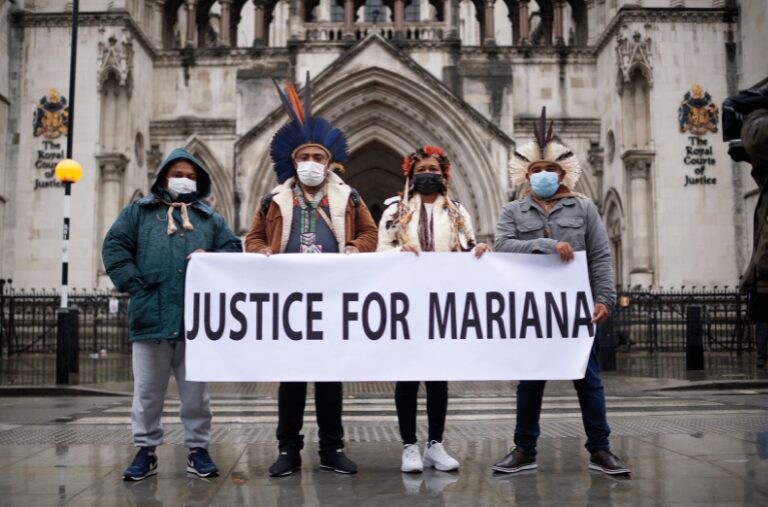
Pogust Goodhead has become one of the most closely watched law firms involved in the legal aftermath of the Mariana dam disaster. Its large English lawsuit, leadership changes and dependence on litigation funding have placed the firm at the centre of a broader debate about international group claims, legal costs and accountability to affected communities.
A Major International Claim For Mariana Victims
The report that an advogado do caso Samarco deixa escritório drew renewed attention to Pogust Goodhead’s role in representing hundreds of thousands of people and dozens of municipalities in proceedings connected to the 2015 disaster. The collapse of the Fundão dam released mining waste across communities and waterways, causing deaths, displacement and extensive environmental damage.
Pogust Goodhead brought proceedings in England against BHP, one of the companies linked to the Samarco joint venture. The firm has argued that the English courts provide an important route for claimants seeking compensation, particularly where victims believe that domestic processes have been too slow or insufficient.
The scale of the litigation makes it exceptional. Managing such a large claimant group requires extensive documentation, local coordination, expert evidence and sustained communication across different jurisdictions. It also means that any change within the legal team can attract considerable attention from clients, funders and the wider public.
Leadership Changes Raise Questions About Continuity
Harris Pogust, who helped establish the firm and became closely associated with the Mariana litigation, was reported to be leaving the organisation and moving towards retirement and philanthropic work. His departure added to scrutiny surrounding Pogust Goodhead’s leadership structure and long-term stability.
A founder’s exit does not necessarily alter the legal merits of a case. Large firms usually rely on teams of lawyers rather than one individual, and major litigation often continues through leadership transitions. However, the departure of a prominent figure can create questions about strategic control, client relationships and the continuity of decision-making.
For claimants, the central concern is whether the firm can continue providing effective representation without disruption. Clear communication is therefore essential. Clients need to understand who is leading the case, whether contractual arrangements remain unchanged and how future developments will be managed.
Funding And Oversight Remain Central Issues
Large group actions require substantial financing before any compensation or legal fees are recovered. Pogust Goodhead has relied on external litigation funding to support the Mariana case and other complex claims. This model can give victims access to legal representation that would otherwise be unaffordable, but it also creates financial and governance risks.
Funders expect returns if litigation succeeds, while firms must continue paying lawyers, experts, administrators and technology providers throughout proceedings that may last for years. When a law firm also faces reports about debt, spending or internal management, questions arise about whether its financial structure is sufficiently resilient.
There is also an ongoing debate about legal actions pursued outside Brazil. Supporters argue that international proceedings can strengthen access to justice and place pressure on multinational companies. Critics question legal fees, foreign jurisdiction and the influence of commercial funders. Pogust Goodhead must therefore demonstrate that claimant interests remain central to its strategy.
Conclusion
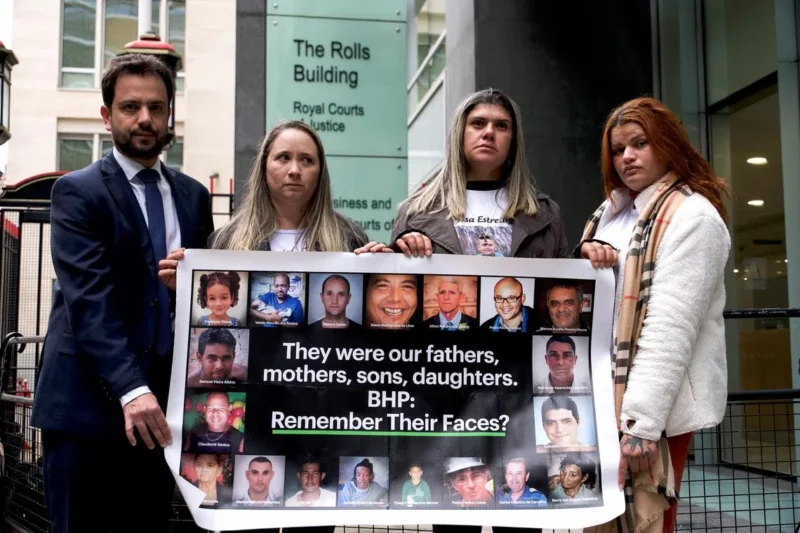
Pogust Goodhead is under the spotlight because the Mariana lawsuit combines enormous human, legal and financial stakes. Leadership changes have intensified examination of the firm, but the most important issue is whether it can maintain stable, transparent and well-funded representation. Its handling of the case will influence confidence among claimants and contribute to the wider debate about international litigation following major environmental disasters.