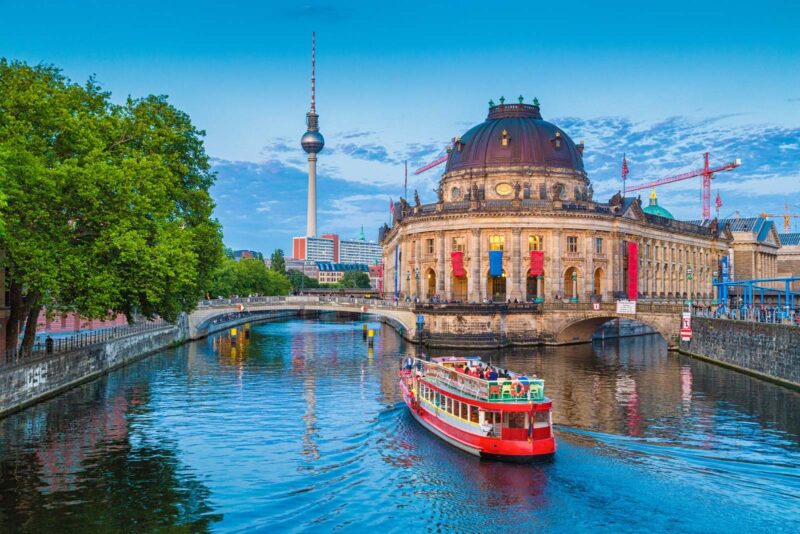
If you’re thinking about visiting Germany, the first thing I’d ask you is simple, what kind of trip do you want? A busy city break, something slower with castles and small towns, or a mix of both? Germany works well for all of that, which is why people keep coming back.
The country isn’t just one type of experience. You have major cities like Berlin and Munich, but also forests, rivers, and smaller towns that feel completely different from urban life. I made the mistake of trying to see everything in one trip once. It felt rushed. Now I always pick a few regions and actually enjoy them.
Start with the big cities, but don’t rush them
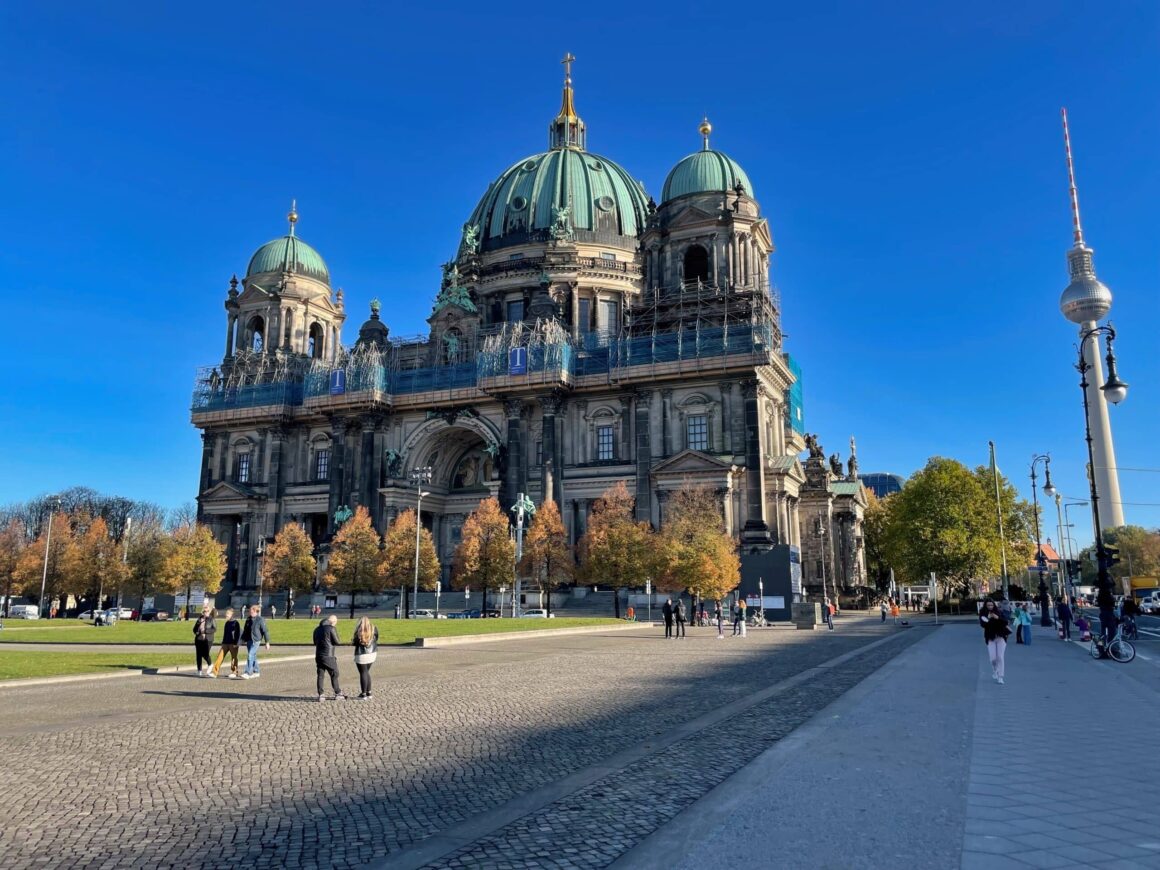
Most first-time trips begin with cities, and honestly, that makes sense. Places like Berlin, Munich, and Hamburg are among the most visited for a reason. Each one has a distinct personality, so don’t expect them to feel similar.
Let me break it down in a way that actually helps you decide:
- Berlin feels open and unfinished in a good way. You walk past history constantly, from the Berlin Wall to large public spaces.
- Munich is more structured and traditional. Clean streets, classic architecture, and a slower pace compared to Berlin.
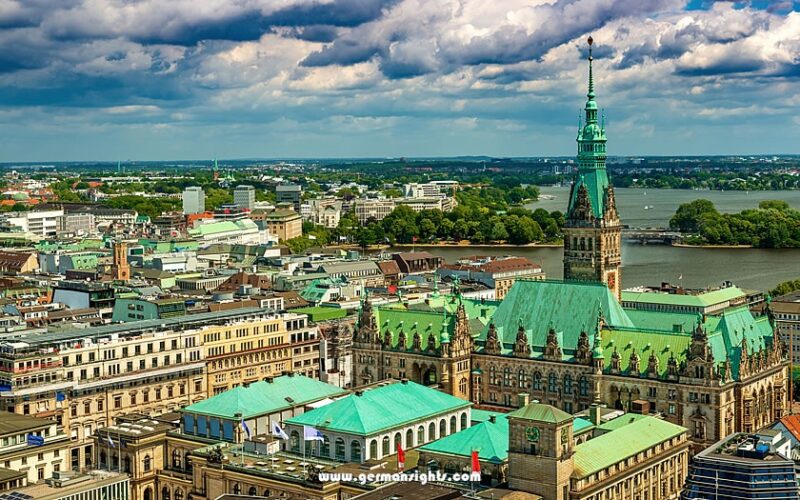
- Hamburg surprised me the most. It has a strong port atmosphere and feels more organized than you might expect.
If you’re wondering where to start, I usually suggest Berlin. Not because it’s “better,” but because it gives you context for the rest of the country. Have you ever visited a place where history feels present everywhere? That’s Berlin.
Munich and personal experiences most people don’t mention
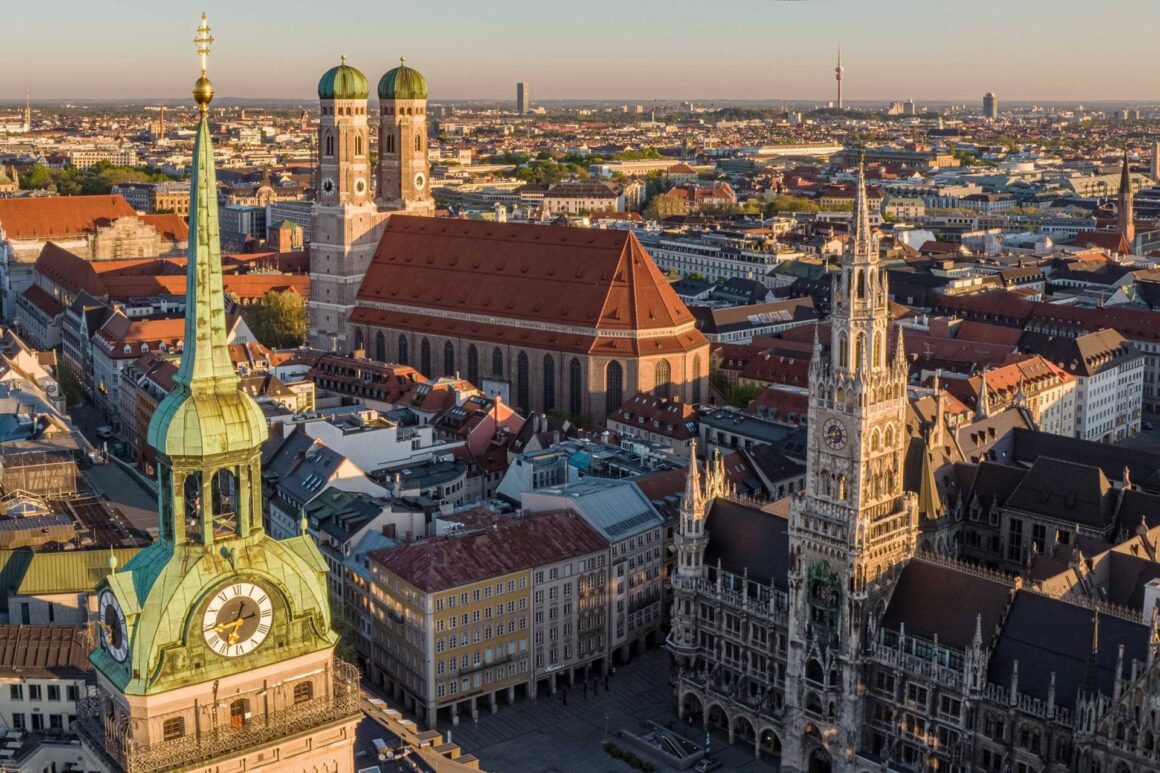
Munich is often described as elegant and traditional, and that’s accurate, but I think what matters more is how easy it feels to navigate. You don’t spend energy figuring things out. You just move through the city.
While planning your stay, I noticed how many people look for more personalized experiences, not just sightseeing. In larger cities like Munich, options go beyond standard tourism, including services like escort München, which some travelers quietly consider when looking for a different kind of evening or companionship during their trip. It’s not something you’ll see in official guides, but it reflects how varied travel preferences can be.
Now, back to the city itself. Munich works well if you want:
- Walkable areas with clear structure
- Easy day trips to places like castles or the Alps
- A mix of culture and relaxed evenings
I stayed near the center once and barely used public transport. That alone made the trip feel calmer.
Smaller towns change your entire perspective
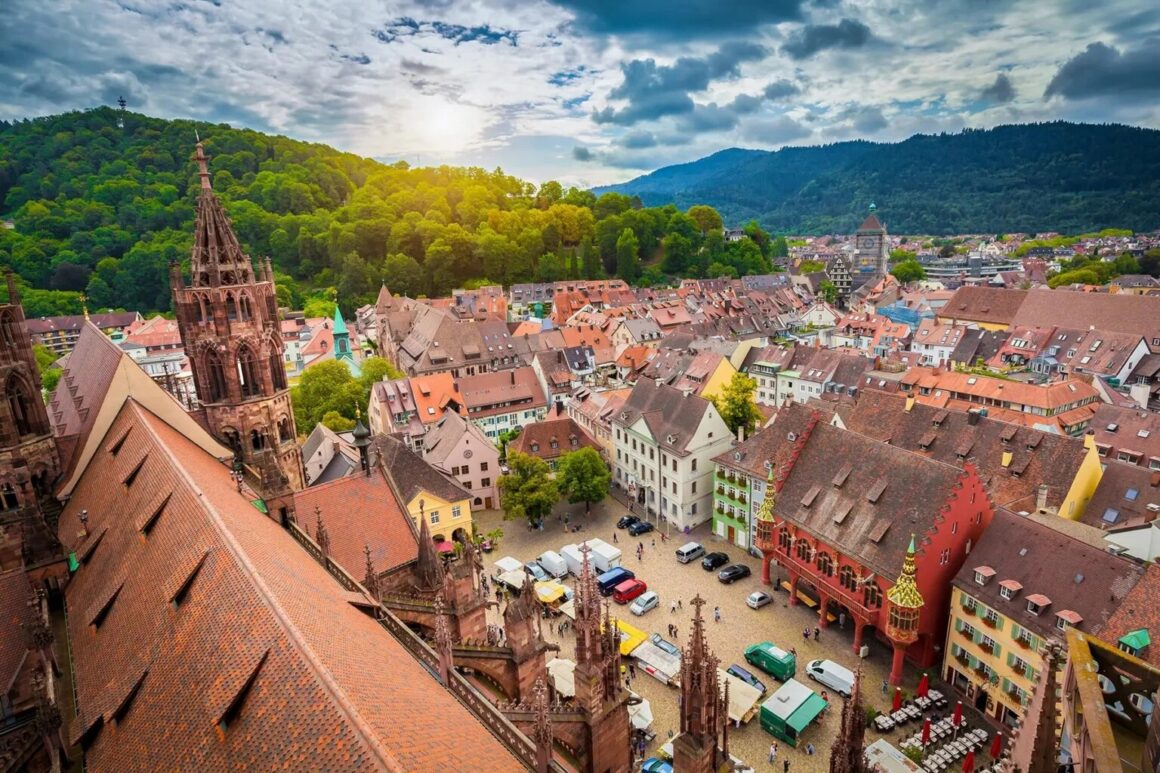
Here’s something I wish someone told me earlier. If you only visit big cities, you’re missing a big part of Germany.
Places like Rothenburg ob der Tauber or Heidelberg feel completely different from Berlin or Hamburg. They’re quieter, more compact, and focused on history. Many travelers add these towns as short stops between major cities.
A simple way to think about it:
| Travel Style | Where to Go | What to Expect |
| Fast-paced | Berlin, Hamburg | Museums, nightlife, big-city energy |
| Balanced | Munich, Cologne | Culture, food, manageable pace |
| Slow and scenic | Heidelberg, Rothenburg | Old towns, shorter distances, calm atmosphere |
I remember arriving in a small town after a few days in Berlin and immediately noticing how quiet everything was. Even restaurants closed earlier. It takes adjustment, but it’s worth it.
Nature, castles, and how to plan around them
Germany isn’t just about cities. You’ve probably seen photos of castles or forest areas, and yes, they’re real and accessible.
Many travelers combine cities with nature, especially:
- The Black Forest for hiking and quieter stays
- Bavaria for castles and mountain views
- The Rhine Valley for river scenery and smaller towns
Germany has a wide range of landscapes and UNESCO sites, so mixing urban and natural areas gives a more complete trip.
Important detail: The train system connects most places efficiently, so you don’t need a car for a lot of these trips.
I usually plan one “slower day” after every two busy ones. It helps you actually remember the trip instead of just moving through it.
What actually makes a trip to Germany work
Planning matters more here than in some other countries. Not because it’s difficult, but because there’s so much variety.
A few practical things that made a difference for me:
- Give each city at least two full days
- Avoid scheduling long travel days back-to-back
- Check opening hours, especially Sundays when many places close
Also, don’t expect every place to feel lively all the time. Some areas are quiet by design. That’s part of the experience.
Final thoughts
Germany is one of those places where your experience depends on how you combine things. You can focus on cities, mix in nature, or slow everything down with smaller towns.
If you’re unsure where to begin, start with two cities and one smaller location. That’s usually enough to get a real feel without rushing. And ask yourself honestly, do you prefer movement or staying in one place longer?
I’ve done both, and the second option always feels better in the end.