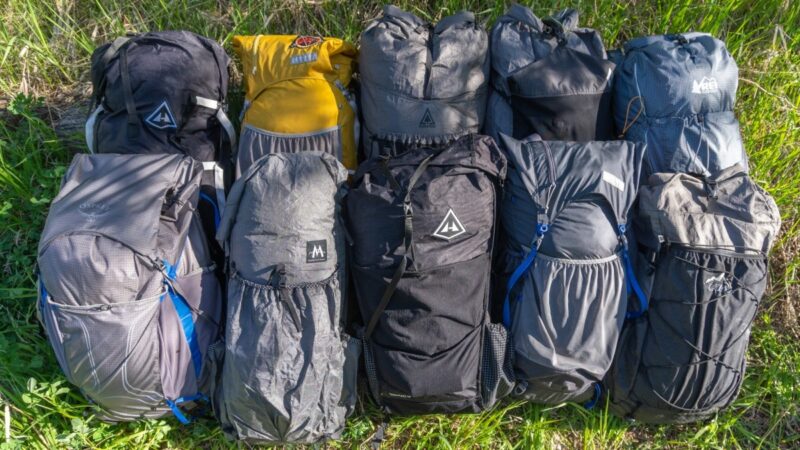
A comfortable camping trip starts long before you arrive at your campsite. The items you choose to pack can determine whether your outdoor experience feels relaxing and enjoyable or tiring and stressful. While camping is naturally more rustic than staying indoors, the right equipment can help you sleep better, cook more easily, stay organized, and handle changing weather conditions with confidence.
Comfort does not mean packing everything you own. It means choosing practical gear that serves a clear purpose. A well prepared camper knows how to balance convenience, safety, and space, making sure every item adds value to the trip.
Bring Reliable Shelter and Sleeping Gear

Your shelter is one of the most important parts of your camping setup. A strong tent, swag, or shelter system protects you from wind, rain, insects, and cold ground. To keep everything secure, Ground Dogs pegs will provide anchoring that helps your shelter remain stable, especially when camping on firmer soil or in breezy conditions.
Along with shelter, your sleeping gear should be chosen carefully. A comfortable sleeping bag, insulated mat, or portable mattress can make a major difference in how well you rest. Even in mild weather, the ground can draw heat from your body, so insulation underneath you is just as important as warmth above you.
A small camping pillow is also worth packing. It takes up little room but gives better neck support than folded clothing. When your shelter is secure and your sleeping system is comfortable, you are far more likely to wake up refreshed and ready for the next day.
Pack Cooking Essentials and Food Storage
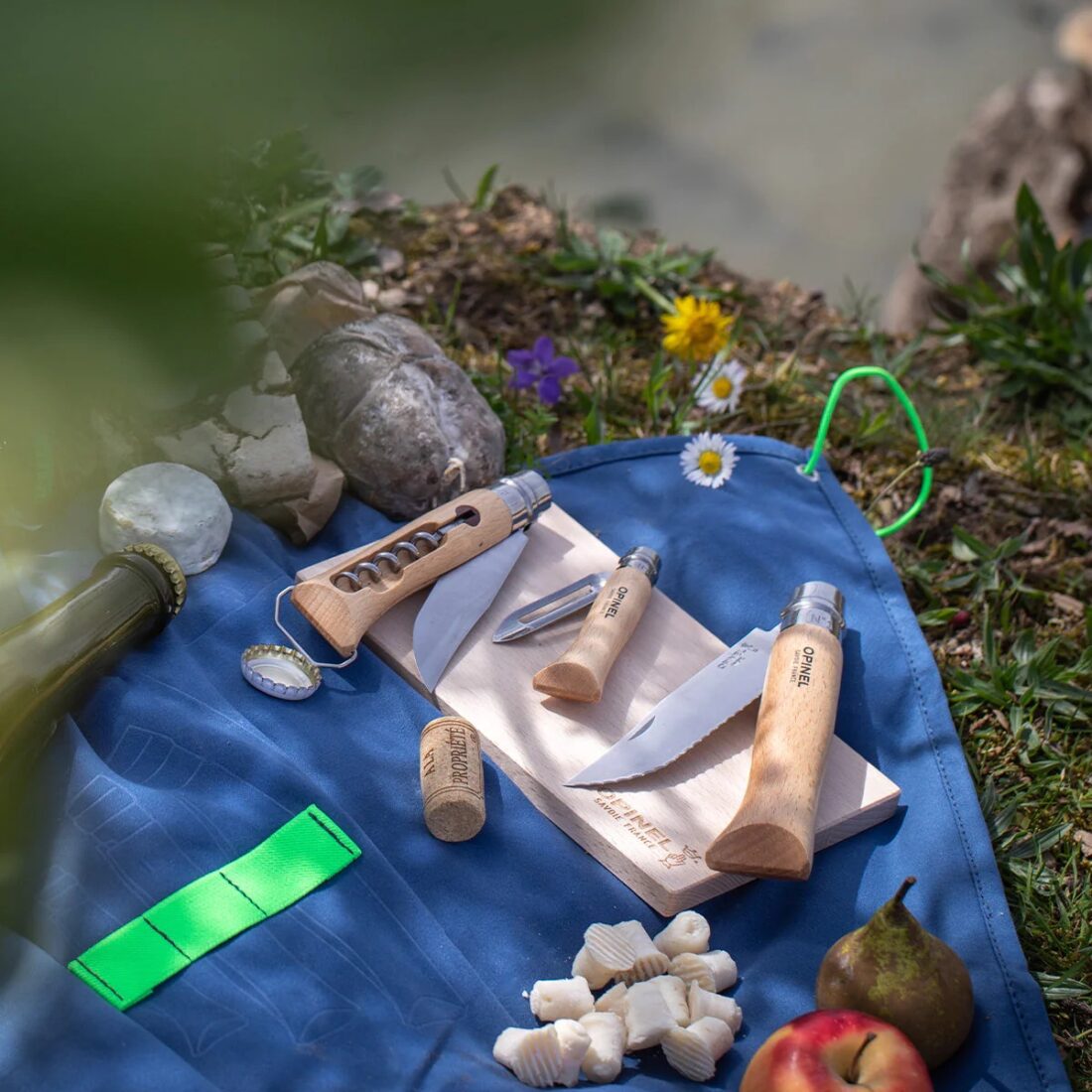
Good meals can make camping much more enjoyable. A compact stove, fuel, lighter, cooking pot, and basic utensils are usually enough for simple outdoor cooking. Choose meals that are easy to prepare, require minimal cleanup, and provide enough energy for walking, hiking, or other activities.
Food storage is equally important. Use sealed containers or cooler bags to keep food fresh and protected from insects and animals. Pack snacks that do not spoil quickly, such as nuts, dried fruit, crackers, or protein bars. These are useful when you need quick energy without setting up a full meal.
Do not forget water storage. Bring enough drinking water or a reliable filtration method if you are camping near a natural water source. Staying hydrated improves comfort, energy, and overall safety during your trip.
Add Practical Items for Safety and Convenience
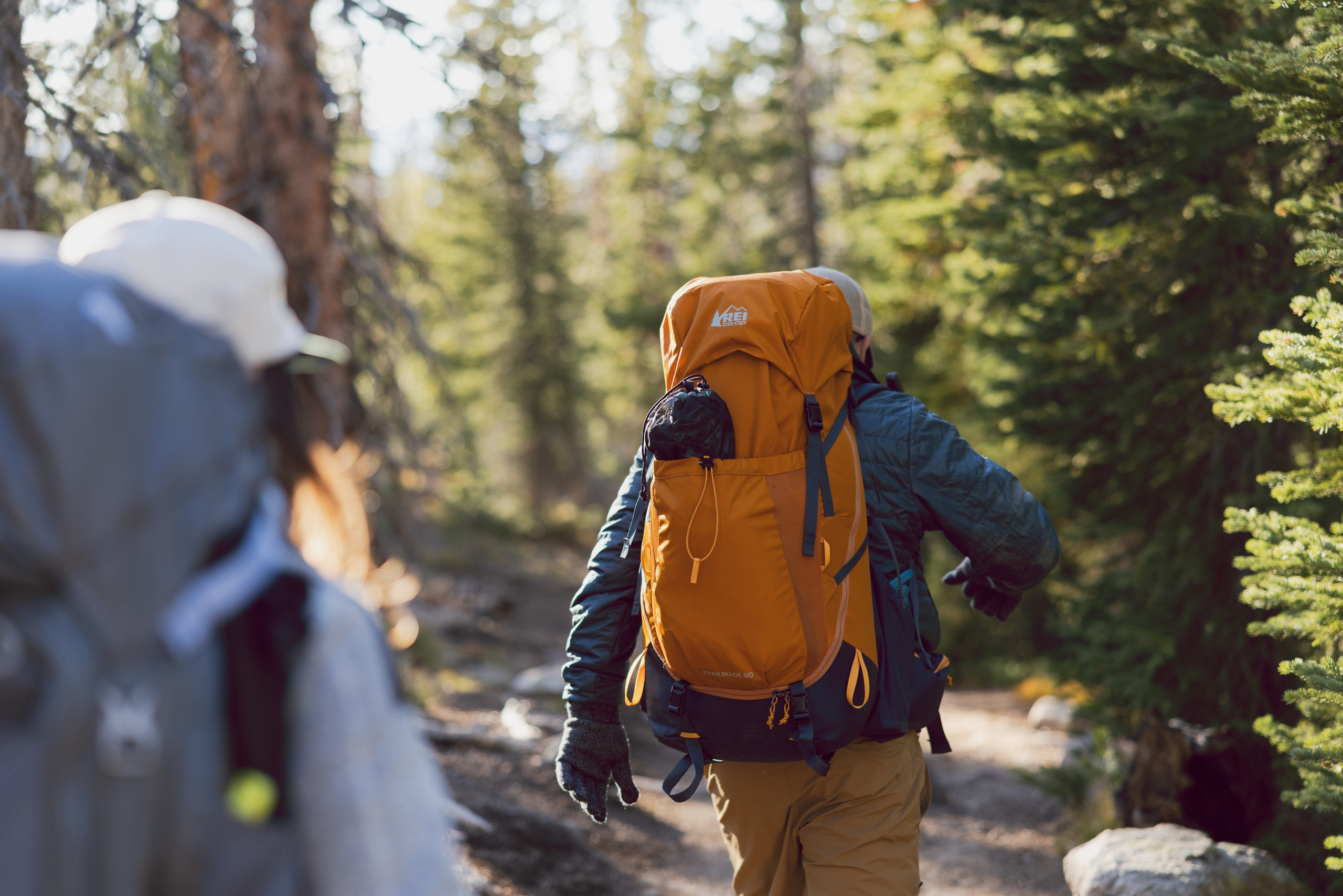
Small practical items often make the biggest difference. A headlamp or lantern helps you move around safely after dark, while extra batteries ensure you are not left without light. A first aid kit should always be packed, even for short trips, because minor cuts, blisters, or headaches can happen unexpectedly.
Weather protection is another key part of comfort. Pack a rain jacket, warm layers, and spare socks, even if the forecast looks good. Outdoor conditions can change quickly, and dry clothing can make the difference between a pleasant evening and an uncomfortable night.
Organization also matters. Dry bags, storage cubes, or simple labeled bags help keep your campsite tidy and make it easier to find what you need. When your gear is organized, you spend less time searching and more time enjoying the outdoors.
Conclusion
Packing for a comfortable camping trip is about choosing useful, reliable items that support rest, safety, and convenience. Shelter, sleeping gear, cooking equipment, food storage, lighting, and weather protection all play important roles in creating a better outdoor experience. With thoughtful preparation, camping becomes less about managing discomfort and more about enjoying fresh air, peaceful surroundings, and time away from everyday routines.