
In logistics, timing can be just as critical as cost. When equipment breakdowns, production delays, or time sensitive deliveries threaten operations, standard freight schedules are often not fast enough. Hotshot transport services are designed for these exact situations, providing rapid, flexible delivery solutions when freight simply cannot wait.
When hotshot transport is the right solution

Hotshot transport is used when freight needs to move immediately without the delays of consolidation, depots, or fixed linehaul schedules. It is commonly chosen for urgent parts, machinery, construction materials, and critical equipment required to keep operations running. Businesses that find more on hotshot transport often realise it fills the gap between courier services and full scale freight, offering speed without unnecessary complexity.
Unlike standard freight, hotshot services typically operate door to door with direct routing. This means fewer handovers, reduced risk of damage, and faster transit times. It is particularly valuable for regional, remote, or site based deliveries where delays can lead to significant financial losses or safety risks.
How hotshot transport delivers speed and flexibility

The key advantage of hotshot transport lies in its flexibility. Vehicles are dispatched specifically for a single job, allowing routes and schedules to be adapted to the urgency of the freight. Loads can range from small critical components to larger items that require flatbed or specialized handling, depending on the service provider’s fleet.
Because hotshot transport bypasses traditional freight networks, it avoids common bottlenecks such as depot congestion and scheduled cut off times. Drivers are often experienced in time critical logistics and understand the importance of communication, real time updates, and precise delivery coordination.
This service model is especially effective for industries such as construction, mining, manufacturing, energy, and agriculture, where unexpected downtime can halt operations entirely. In these environments, speed and reliability outweigh marginal cost differences.
Choosing hotshot transport over standard freight
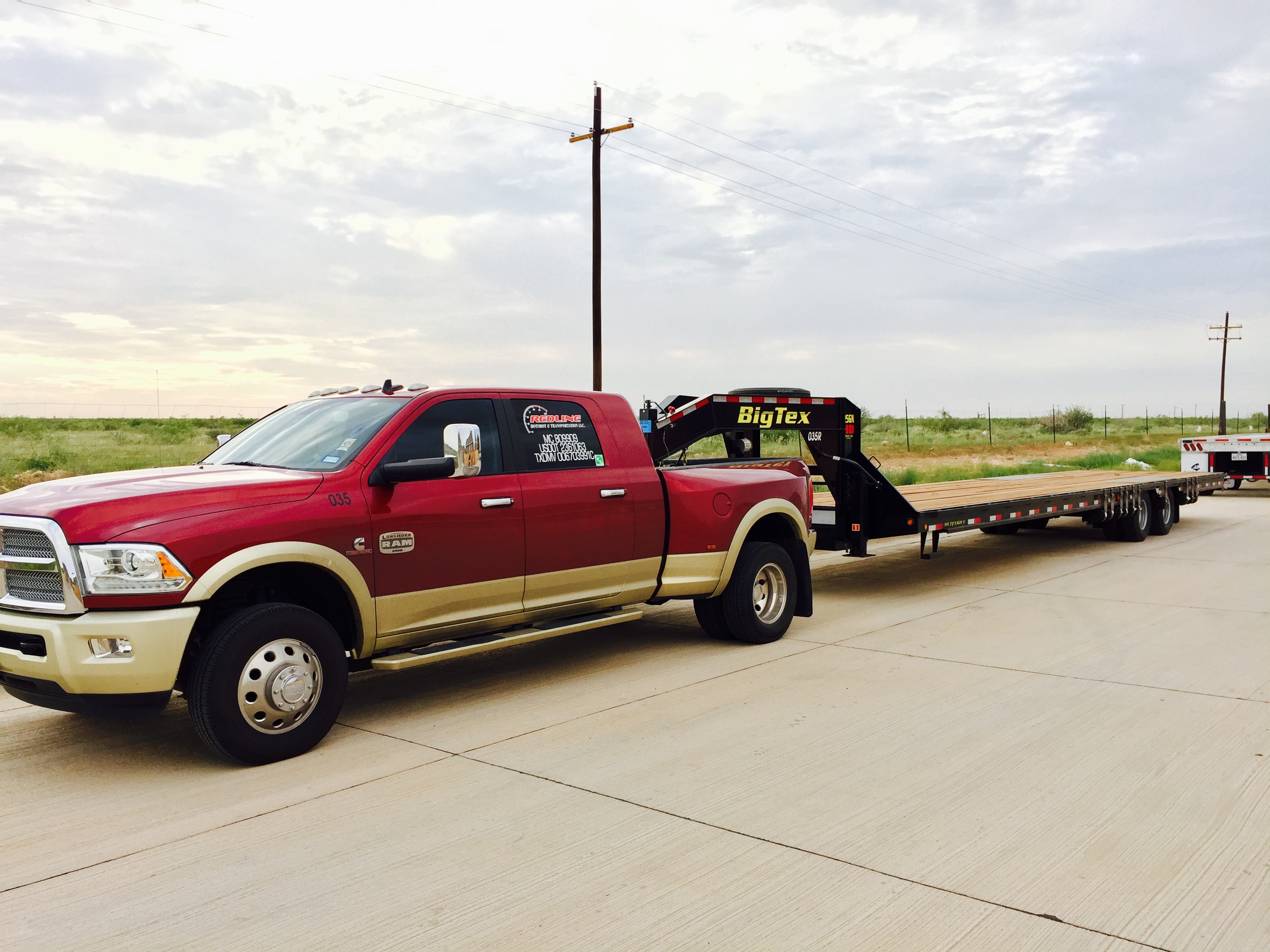
While hotshot transport is not intended to replace standard freight for routine deliveries, it plays a vital role in risk management and operational continuity. The decision to use hotshot services is often driven by the cost of delay rather than the cost of transport itself.
Standard freight prioritises efficiency through volume, while hotshot transport prioritises urgency and control. When a single delayed component can stop a project or production line, hotshot transport becomes the most economical choice despite higher per trip costs.
Selecting the right provider is essential. Experience, vehicle suitability, compliance, and clear communication determine whether urgent freight arrives safely and on time. Reliable hotshot operators understand the pressure involved and structure their services around responsiveness and accountability.
Conclusion
Hotshot transport services exist for moments when time is the most critical factor in logistics. By offering direct, flexible, and fast delivery, they protect businesses from costly downtime and missed deadlines. When standard freight options cannot meet urgent demands, hotshot transport provides a practical and dependable solution that keeps operations moving when it matters most.