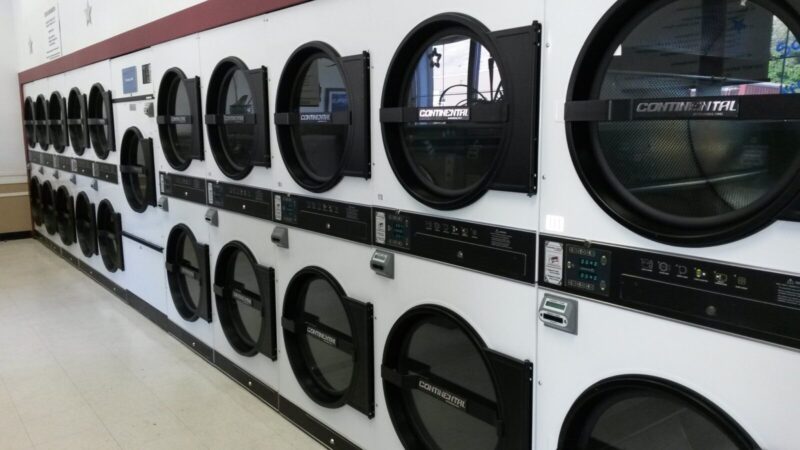
Commercial laundry operations demand durable, efficient, and high-capacity equipment that can handle heavy use day after day. From basic washer and dryer packages to advanced flatwork ironers and towel folders, selecting the right combination improves throughput, reduces labor costs, and enhances garment quality. In this guide, we’ll break down key equipment types and help you understand how they fit together to create a productive laundry workflow.
Choosing The Right Commercial Washer And Dryer Packages
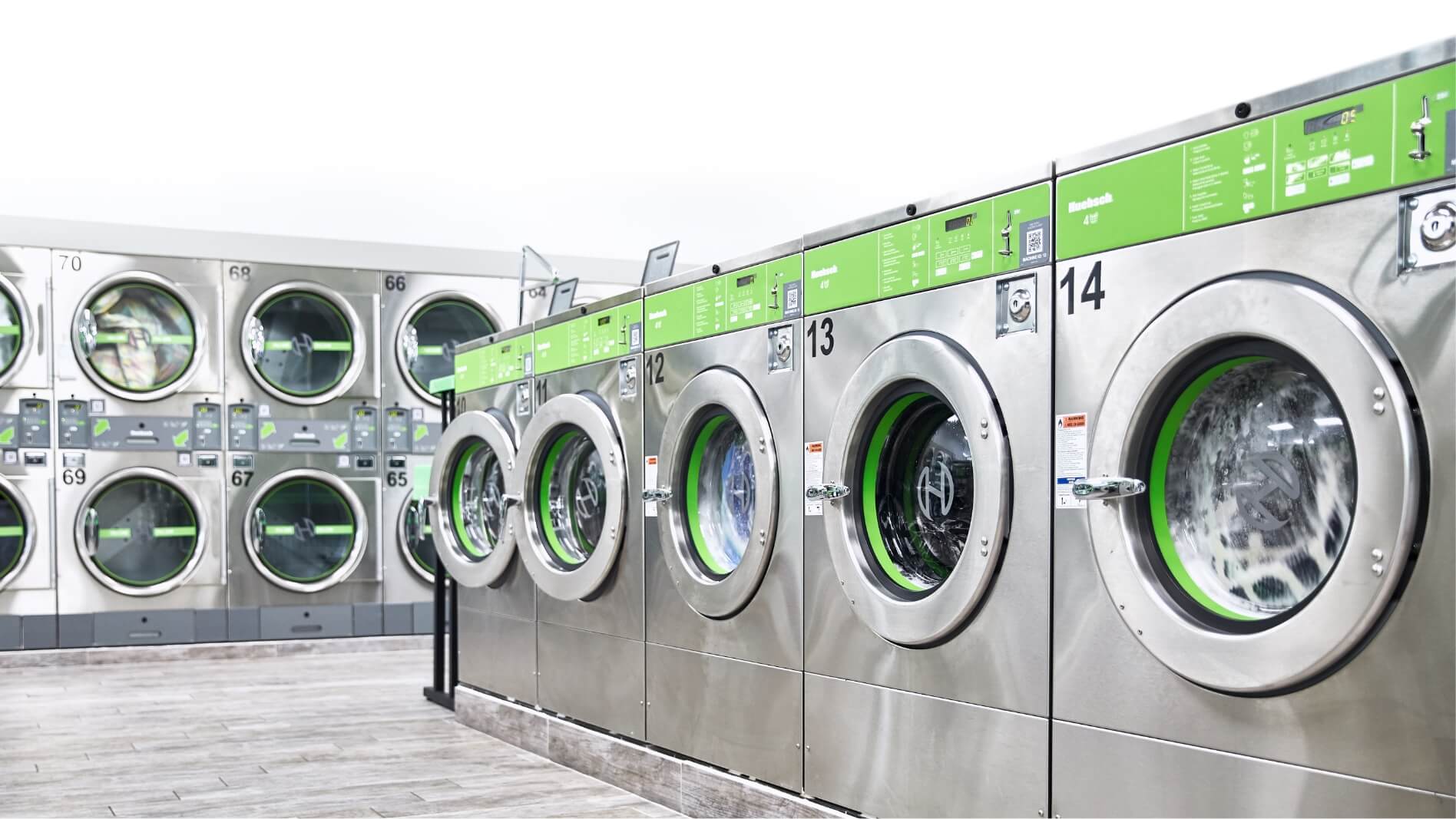
Many laundries and hospitality businesses look for a commercial laundry washing machine from Japan because Japanese manufacturers are known for robust engineering, reliability, and long service life under heavy loads. A commercial washer and dryer package typically includes high-capacity front-loading washers paired with industrial dryers designed to handle continuous cycles.
When selecting a package, consider the size of your operation and the types of items you’ll launder most often. Larger capacity washers reduce the number of cycles required per day, which saves time and energy. Industrial dryers with moisture sensors help prevent over-drying, protecting fabrics while cutting operational costs.
Energy efficiency should also be a priority. Many modern commercial units have advanced water extraction systems and heat recycling features that reduce utility expenses over time. For larger facilities, modular packages allow you to scale up by adding more units as demand increases.
Flatwork Ironers For Professional Finishing
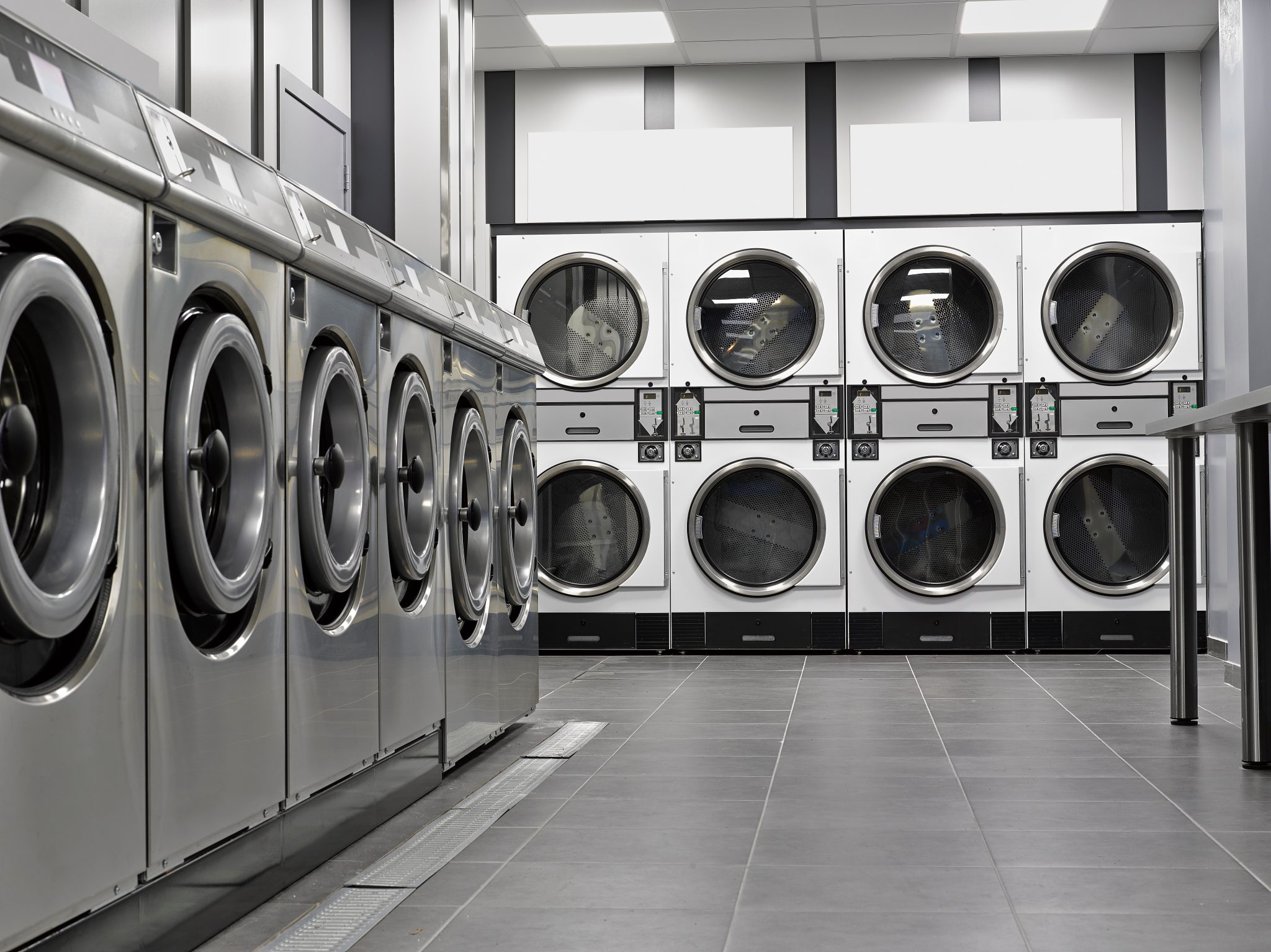
Once washing and drying are complete, flatwork ironers play a crucial role in producing crisp, professional results. Flatwork ironers are large rolling machines used to press flat items such as sheets, tablecloths, and linens. These machines speed up the finishing process and produce results far superior to handheld irons or smaller pressing stations.
Flatwork ironers consist of heated rollers that feed fabric through a controlled pressure zone, smoothing out wrinkles and imparting a uniform finish. They are available in a range of widths to match different laundry volumes, from compact units suitable for small hotels to wide machines designed for large hospital or industrial settings.
When evaluating flatwork ironers, check for features such as variable speed control, automatic feed systems, and safety shields. These elements not only improve productivity but also ensure operator safety during continuous use.
Towel Folders To Increase Efficiency

In facilities that handle large quantities of towels—such as gyms, spas, hospitals, or resorts—manual folding can be a significant labor cost and bottleneck. Towel folders automate this process, producing uniform folds consistently and quickly. By integrating towel folders with your washer, dryer, and ironer workflow, you free staff to focus on other tasks while ensuring a neat and professional presentation.
Towel folders can handle a range of sizes and thicknesses, with adjustable settings that allow you to customize fold patterns. Some advanced models offer stacking or conveyor features that further streamline handling.
Pairing towel folders with your other commercial laundry equipment increases throughput and reduces turnaround time, which is especially important during peak periods such as morning rushes in hospitality or healthcare environments.
Conclusion
Selecting the right combination of commercial washer and dryer packages, flatwork ironers, and towel folders is essential for any high-volume laundry operation. Equipment sourced from reputable manufacturers delivers durability, efficiency, and consistent results that support both operational productivity and quality standards. With thoughtfully chosen machinery and a well-designed workflow, businesses can improve turnaround times, reduce labor costs, and maintain a high level of service across all laundry needs.